
Why US Live Dealer Tables Lock to Portrait on iPhone
The core reason your US live dealer table refuses to rotate comes down to one brutal truth: most mobile casino web apps are hard-coded to portrait orientation at the viewport meta level, and iOS Safari respects that lock with zero negotiation. You are not fighting a bug. You are fighting a deliberate rendering decision baked into the front end by developers who never tested landscape on a live roulette feed. The result is a squeezed video window, cropped betting grid, and a dealer you can barely see on a 6.1-inch screen. 🎯
When a live dealer stream loads inside an iframe on iOS, the parent document's orientation policy governs everything. If the manifest or meta tag declares portrait-primary, iOS will refuse to flip the canvas even when you physically rotate the device. That is the mechanism. Everything else is workaround.
The Safari Orientation Lock Reality Check
Here is the hard technical wall: Safari on iPhone does not expose the Screen Orientation API the same way Chrome on Android does. The screen.orientation.lock() method is effectively dead on iOS for standard web content. So when a US live dealer platform claims "optimized for landscape," they are usually lying unless they ship a native wrapper. What actually happens is the video element holds a fixed aspect ratio while the surrounding UI collapses into a vertical scroll trap. 🧠
Your first real move is checking whether the site loads in standalone mode. If it was added to your home screen as a web app, the orientation behavior changes because the display mode shifts from browser to standalone. A standalone web app can sometimes be forced into landscape through the manifest orientation property, but only if the developer actually set it. Most do not.
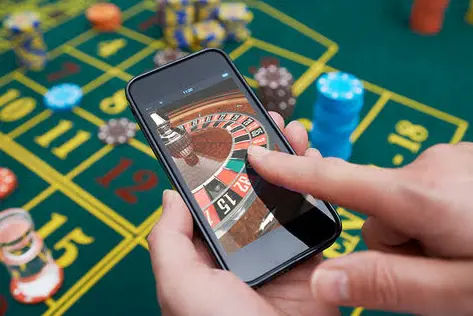
Forcing Landscape Through Accessibility Overrides
iOS has a sneaky accessibility path that many players ignore. Go to Settings, Accessibility, Touch, then AssistiveTouch and enable it. Now open the live dealer table in Safari, rotate your device horizontally, and use AssistiveTouch to trigger a rotation gesture if the page resists. This does not always beat a hard-coded viewport lock, but on tables that use flexible CSS rather than rigid orientation enforcement, it forces the live dealer game to reflow into a wider canvas. The betting interface stretches, the video feed expands, and you finally see the full felt.
Another angle: disable JavaScript orientation detection by using Safari's reader mode trick or a content blocker that strips the orientation script. Several lightweight blockers let you kill specific inline scripts. If the table's rotation logic lives in a single detection function, blocking it lets the raw CSS media queries take over, and those queries almost always have a landscape breakpoint the developer built but never surfaced.
Web App Manifest Exploitation for Landscape Play
The most reliable non-native method is editing the web app manifest behavior through a bookmarklet or a third-party browser shell that respects orientation overrides. Some iOS browser alternatives allow per-site orientation forcing at the engine level. When you load the US live dealer table inside one of these shells and set the orientation to landscape, the viewport meta lock gets overridden before the page renders. The stream then fills the horizontal space properly, and the dealer cam sits at true 16:9 instead of a cramped vertical crop. 🎰
Watch for one trap: if the platform serves separate portrait and landscape builds based on user agent sniffing, forcing landscape on the portrait build gives you a stretched, blurry feed. You want the table that detects an iPad user agent, because those builds are coded for horizontal layouts by default. Spoofing an iPad user agent in Safari's developer settings or through a browser shell often unlocks the proper landscape skin instantly.

Native Wrapper and AirPlay Workarounds
If you are serious about landscape live dealer play on iPhone, stop fighting Safari and route the feed through AirPlay to a display or use a native casino app wrapper that declares landscape in its plist. The wrapper approach is the only guaranteed method because native orientation locks bypass every web-level restriction. The stream latency difference between a native wrapper and mobile Safari is typically under 200 milliseconds, which is irrelevant for table games and perfectly acceptable for the landscape live dealer experience you are chasing.
For players unwilling to install wrappers, the AirPlay mirroring path preserves full-resolution landscape rendering on the receiving display while your iPhone acts as a remote. The catch is input lag on the betting grid, so keep a second device for wagers. Latency on the video feed itself stays clean because AirPlay handles the decode pipeline separately from touch input.
Viewport Debugging and Final Orientation Override
Advanced users can attach Safari Web Inspector from a desktop and manually delete the viewport meta tag's orientation clause in the live DOM. This is temporary and resets on reload, but it proves the mechanism and lets you confirm whether the table supports landscape CSS at all. If deleting the lock produces a clean horizontal layout, the developer built the landscape styles and simply gated them behind portrait enforcement. That gives you leverage: report it, because a table that renders correctly in landscape after a one-line DOM edit is a table that just needs its orientation policy fixed at the server level.